
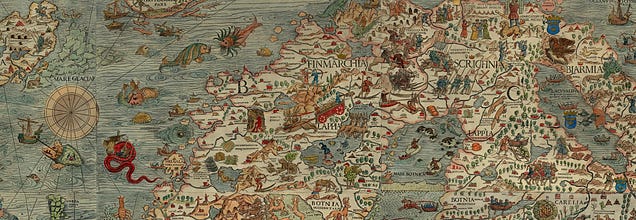

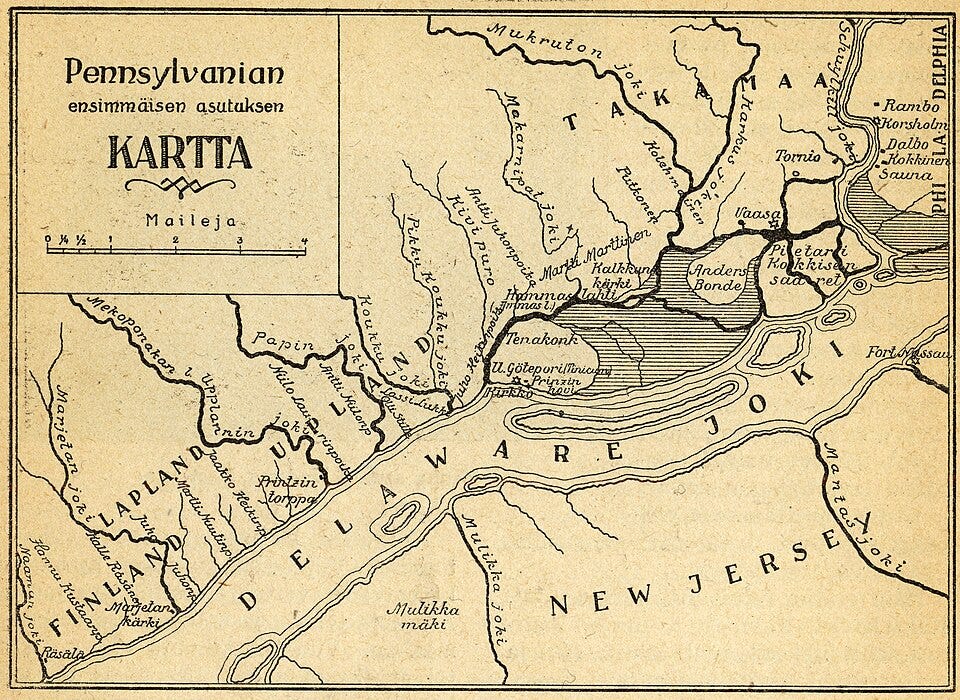
Sometimes you can find familiar names in unexpected places. This is what happened to me when I was researching old maps. I stumbled upon a map of Pennsylvania’s first colonization and much to my surprise, I found a familiar name there right in an area called Takamaa (Hinterland): Tornio, my hometown. My curiosity was immediately piqued: how did the name of a small northern Finnish town end up in a land over 6400 km away?
Further research led me to an intriguing story about the lost colony of New Sweden (1638-1655). This small and short-lived colony was founded in 1638 on the banks of the Delaware river. Its roots were planted a year before in 1637, when the Thirty Years’ War (1618–1648) was raging in Europe, Sweden was a powerful empire and the former governor of New Netherland colony, Peter Minuit (c. 1580-1638), was completely fed up with his former employer. Minuit wanted revenge for being dismissed and sent back to the Netherlands in 1631.
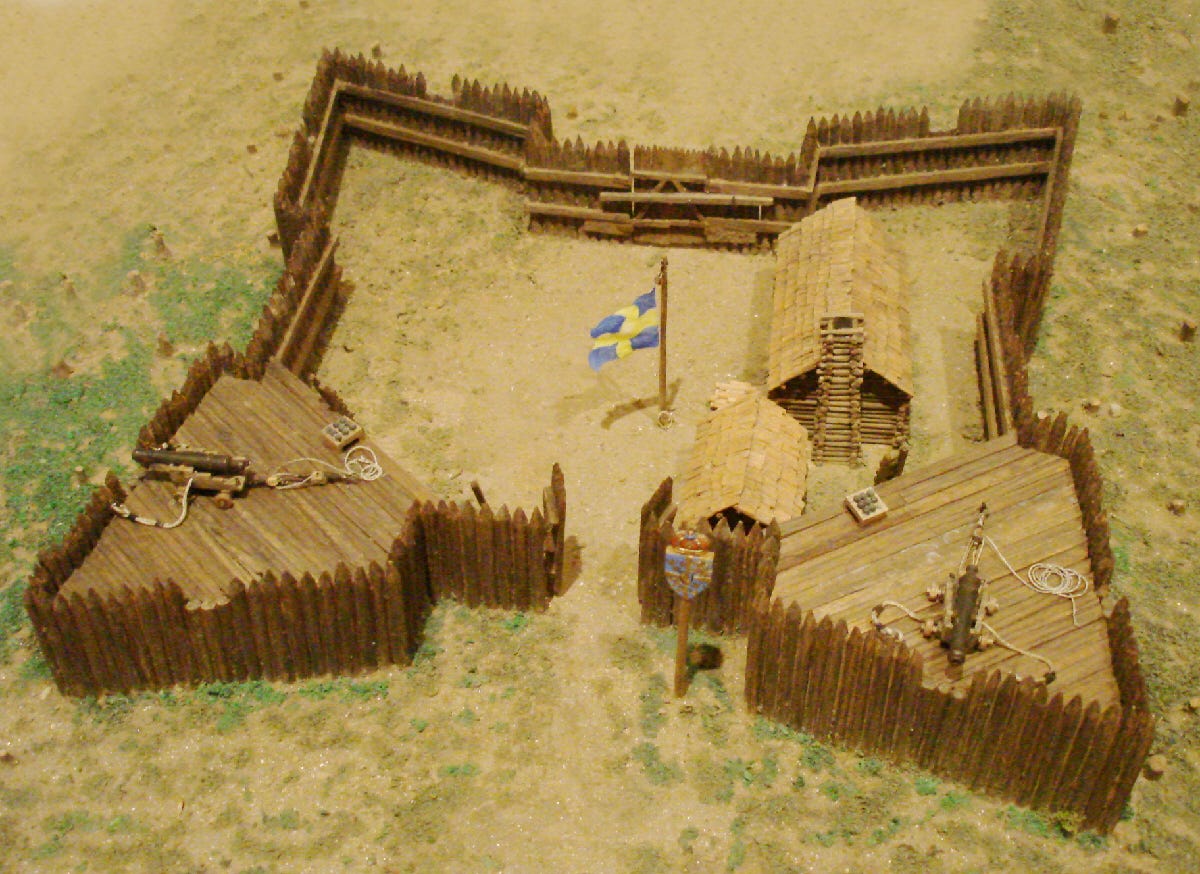
He got his revenge by inciting the Swedes to establish a colony in North America. The Swedish Empire was keen on getting involved in the tobacco and fur trade. The crown also wanted to make it clear to everyone that Sweden was now one of the great powers of Europe. Minuit presented to the Swedish government a map showcasing the boundaries of other European colonies such as the Dutch and the English. Minuit showed the Swedes a huge area stretching from the Minquas Kill (present-day Christina River), up to Sankikan Kill (present-day Trenton, New Jersey), that wasn’t occupied by other European countries. This area and both banks of the Delaware River were decided to be settled as a colony of New Sweden. Minuit set sail for North America with a small group of settlers in late 1637 and arrived at the banks of the Delaware river in spring of 1638. In order for New Sweden to flourish it was crucial for the colony to have a good relationship with local Indigenous tribes. Back then several thousand members of the Lenapes were living in independent communities along the river and were regarded as the owners of the surrounding lands. Roughly the same number of Susquehannocks (also known as Minquas) lived further to the west in the Susquehanna Valley. Minuit and his group of settlers negotiated permission from the Lenape and Susquehannock sachems (North American Indigenous chiefs) to build a small fort at the mouth of the Minquas Kill. Both groups welcomed Swedish settlers as new trading partners. Settlers named the new fort Fort Christina to honour their young Queen Christina (1626-1689). Thus New Sweden was born. The colony sought trade and allegiance with its indigenous neighbours, building relatively peaceful, friendly relations with them. This was a unique situation, since colonies of European powers tended to have much more turbulent relationships with local neighbours culminating in violent conflicts disastrous for indigenous populations.

The Swedes had a much less cooperative relationship with the Dutch. The Dutch considered the whole Delaware River as their territory and were vexed to see the Swedes settle in it. However, they didn’t have enough troops to drive away the Swedes. New Sweden didn’t have much manpower either. The situation stayed somewhat the same for several years until the balance of power shifted in favour of the Dutch due to Sweden neglecting its colony between 1648 and 1654, while New Netherland received supplies and resources from its mother country. Still, New Sweden continued to expand under its heavy-handed governor Johan Printz (1643–1653). New plantations, forts, blockhouses and settlements were established. One of them was Tornio, known to the Lenape as Aronameck, which was founded in 1647.
The situation came to a head when Johan Risingh (1617–1672), the last governor of New Sweden, seized Fort Casimir from the Dutch. Peter Stuyvesant (c. 1612–1672), the governor of New Netherland, decided to get rid of the Swedish colony. He gathered troops and conquered New Sweden without bloodshed in 1655. Settlers of New Sweden continued to live as the Swedish Nation under Dutch rule, under which they were allowed to keep their own government, lands and Lutheran religion. They were also allowed to trade with local Indigenous tribes. Dutch rule came to an end less than a decade later when the English captured New Netherland in 1664.
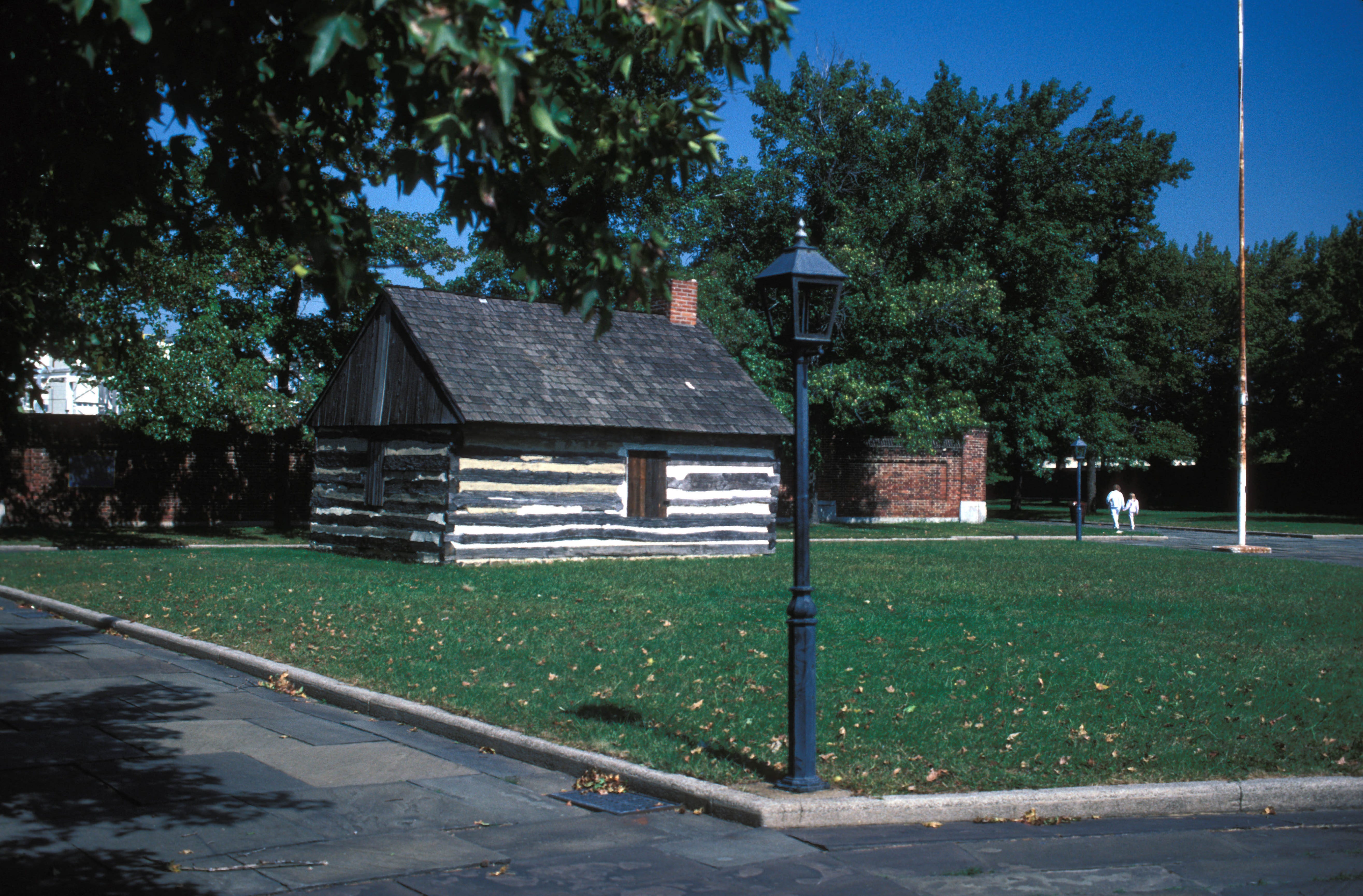
Who were the settlers of New Sweden? Most of them were Swedes and Finns; a few were Dutch or German. Back then, Finland was the eastern part of the Swedish Empire. The Finns who left for New Sweden were not necessarily from modern-day Finland but were instead Forest Finns from central Sweden. Their traditional method of agriculture was slash-and-burn, a practice which had become a problem for the Swedish government. The crown had forbidden slash-and-burn, which was one of the reasons why sailing across the ocean became an appealing option.
Several researchers believe that the art of building log cabins came from the Forest Finns. Besides architecture, the short-lived colony of New Sweden influenced the culture of the area. Swedish and Finnish settlers often acted as mediators between English officials and the Lenapes. Traces of New Sweden can still be found today. For example, Gloria Dei Church (Old Swedes’ Church) in South Philadelphia is the oldest church building in Pennsylvania. The blue and yellow of Philadelphia’s flag pay homage to the early Swedish settlers of Pennsylvania.
And what happened to Tornio (or Torne, as it was also known) that I mentioned at the beginning? It lasted only until the fall of New Sweden in 1655 and disappeared into the mists of history. Where it once stood is now West Philadelphia. Finnish influence lasted much longer, though, and can be found in unexpected places. John Morton, one of the Founding Fathers of the United States, had Finnish roots: his great-grandfather Mårten Mårtensson was a Finn.
My next post will take you back to the fascinating world of myths and legends.
Until then,
Piia